Built environment
Built environment
The construction industry makes up half of all raw materials extracted from earth and half of all waste generated. We invest in solutions that accelerate sustainable construction and living to enable a decarbonisation of the built environment.
We invest in solutions that accelerate sustainable construction and living
The built environment is responsible for a disproportionate share of global emissions, resource use, and waste – yet change has been slow.
Our investment thesis
We back solutions that reduce operational and embodied emissions in buildings, focusing on technologies that are price-competitive, scalable, and ready for adoption in a conservative industry.
What we are looking for
- PropTech and HVAC solutions with measurable impact
- Building retrofitting and on-site renewables
- Upcycled and recycled materials that reduce embodied carbon
Our investments within built environment
We back founders tackling one of the world’s most urgent and overlooked climate frontiers by introducing low-carbon materials and circular construction.
- A:gain about ?overlay=a-gain
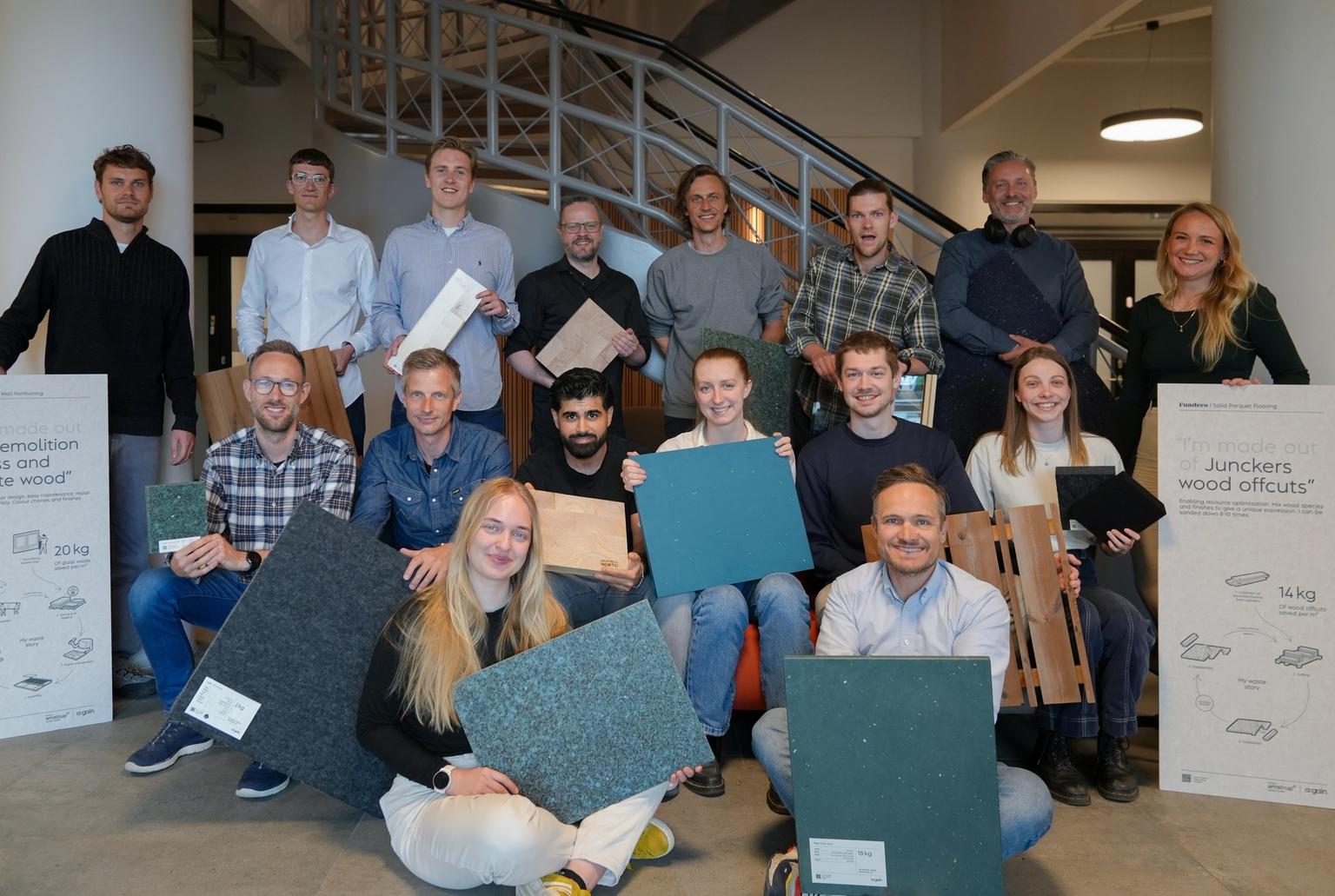



A:gain
Circular building products at scale
- Built environmentabout /verticals/built-environmentBuilt environment
- Søuldabout ?overlay=sould
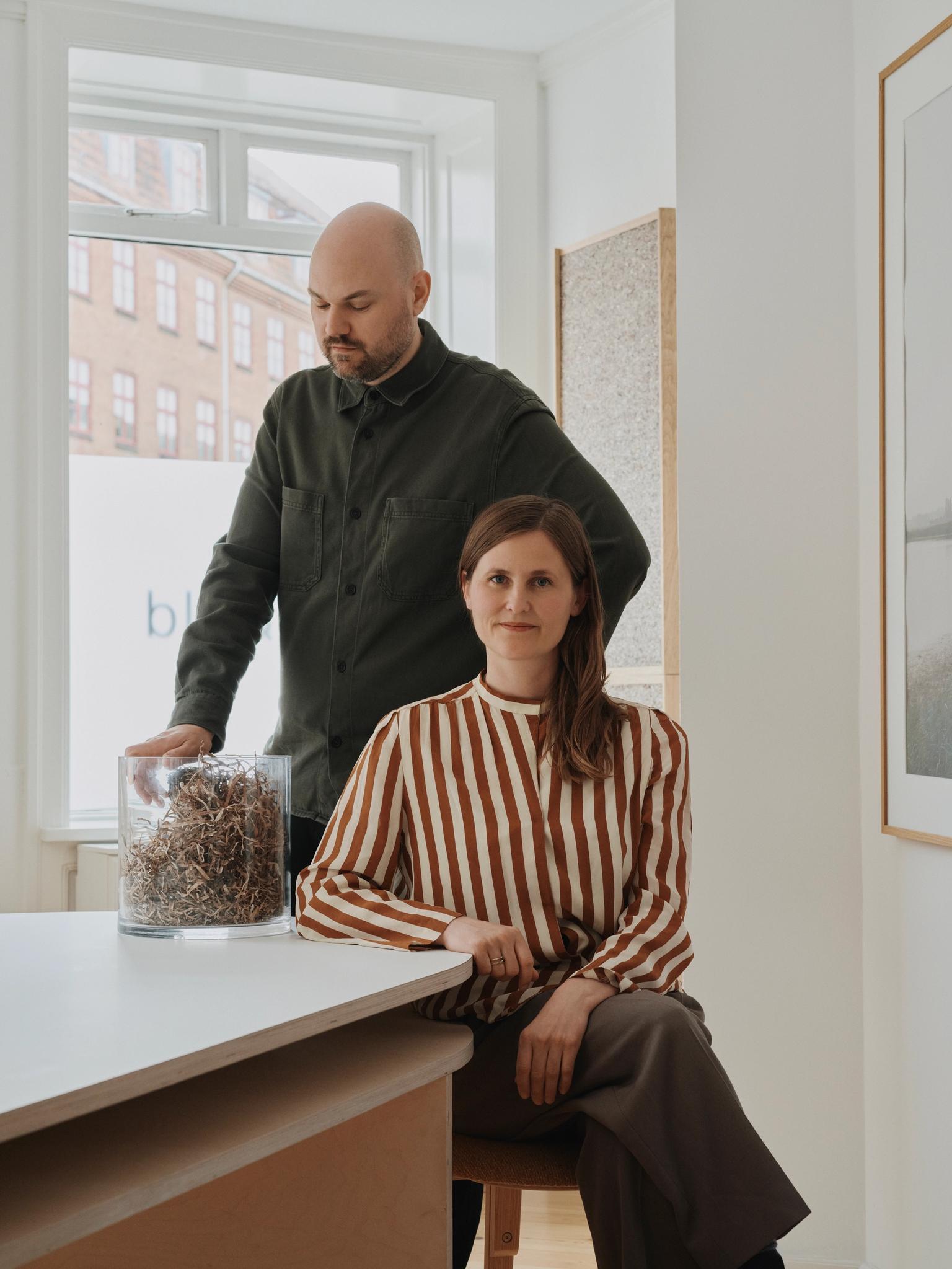



Søuld
Acoustic products made from eelgrass
- Built environmentabout /verticals/built-environmentBuilt environment

“We invest in solutions that make sustainable buildings the default – not the premium option.”
Explore all our investment verticals
- Circular economy
- Built environment
- Biosolutions
- Climate tech
- Energy
- Food & agriculture







Explore all our investment verticals
Our current linear ‘take-make-waste’ system use 60% more resources than the earth can generate every year. We invest in solutions that enable reuse, upcycling and recycling of waste streams to enable a circular economy.
- Circular economyabout /verticals/circular-economyCircular economy



Come venture with us
Pitch us
Have a venture where impact and growth scale together? We invest early and work side-by-side powered by the whole Footprint Firm team.
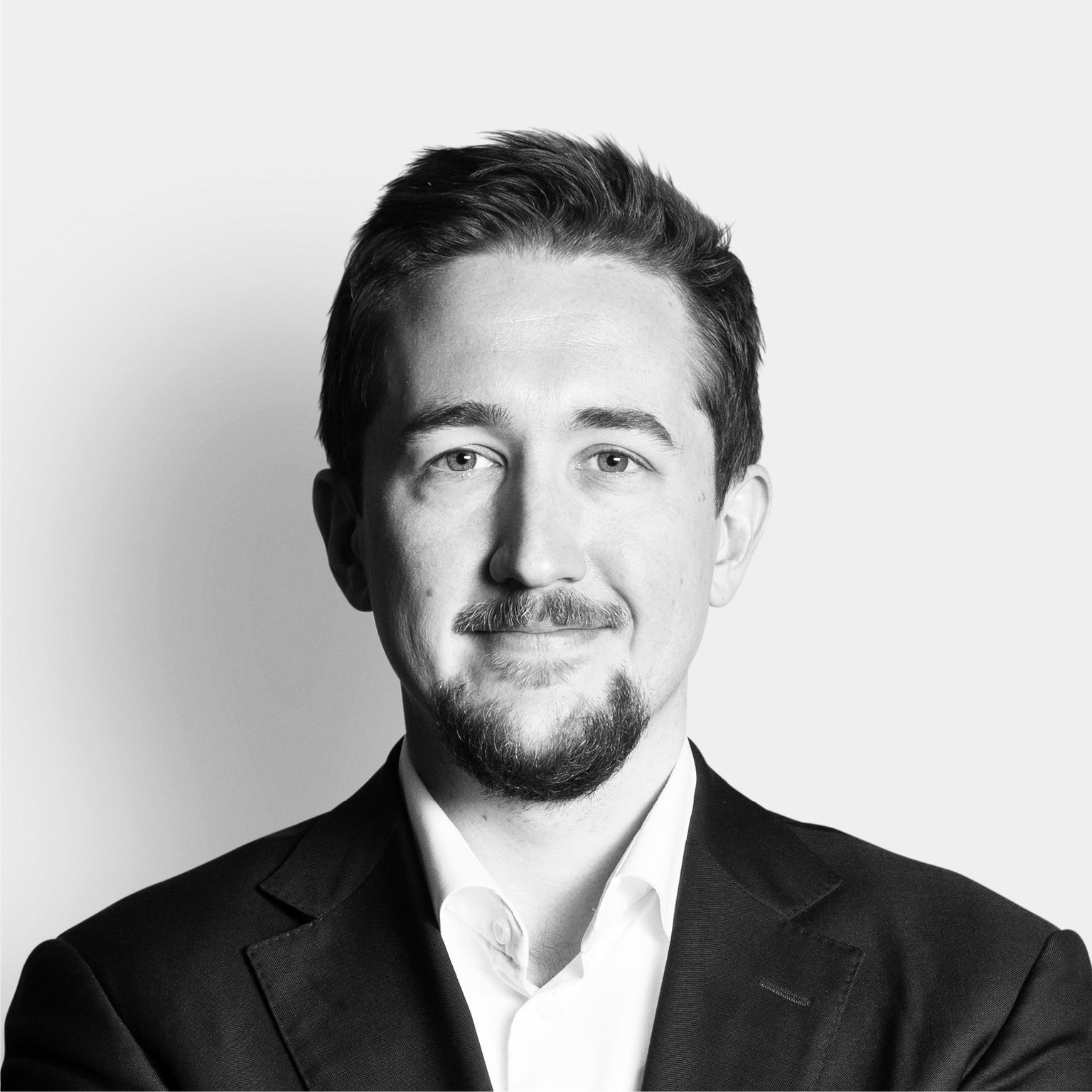

Emil is seasoned a management consultant with experience in delivering sustainability projects in the built environment.
Emil was most recently employed as Chief Strategy Officer at Lendager Group, a leading player within the circular economy space in the built environment, where he was responsible for defining the overall business plan and had interim responsibilities for the material company that oversaw production of upcycled building materials. Prior to this, Emil worked as a manager at QVARTZ where he focused on defining corporate strategies for various clients, identification and implementation of business potentials in operations, operating models and organisational transformations for large clients and due diligence on technical targets.
Emil holds a Master of Science in Engineering from The Technical University of Denmark in Design & Innovation and has worked with sustainability for more than 10 years: initially within a student organisation that created teaching material for high school curricula in order to inspire students to pursue careers within green technology, and later as a volunteer for the 10:10 Climate Action campaign based out of the UK. Emil continues his voluntary work to this day as the lead for Roskilde Festival’s analysis team.