Life cycle assessments
Life cycle assessments
As demand for documented decarbonisation rises, Life Cycle Assessments (LCAs) and Environmental Product Declarations (EPDs) are becoming critical tools for communicating environmental performance. But too often, companies face roadblocks: incomplete supply chain data, unreliable databases, and time-consuming manual calculations that slow progress and dilute impact.
We offer a full, end-to-end process for creating dynamic, automated LCAs and EPDs – built for real-world business use
From early data assessment to strategic application of results, we support clients in calculating, interpreting, and acting on product-level environmental impact in a way that creates both clarity and commercial value.
We work across all phases – aligning on life cycle impact methodology, defining benchmarks for comparative LCAs, collaborating with third-party platforms for calculation, and embedding findings into both internal strategy and external communication.
LCA strategy
We help clients define the right LCA approach by first assessing the commercial drivers and pressures for documenting environmental impact. This includes evaluating the maturity of available data and calculation capacity. Based on this foundation, we prioritise the most effective pathway for generating LCAs that deliver strategic and commercial value.
Dynamic LCA modelling
We combine existing data sources, including GHG inventories, with technology to build digital twins of products, services, or full operations. These enable intuitive, dynamic calculations across the entire life cycle: from raw material extraction and production, to use phase and end-of-life. The result is clear, actionable insight that drives smarter, data-led decisions and measurable reductions.
Analysis and anchoring
We translate environmental impact data – GHG emissions, water use, pollutants, and more – into clear strategic priorities. Our analysis identifies high impact levers and builds targeted reduction scenarios, always through a commercial lens. We anchor these insights in relevant business areas, align them with key KPIs, and ensure governance is in place to manage and scale impact over time.
“We enable companies to quantify their product impact with precision, using LCAs not just for documentation, but to drive smarter decisions, reduce footprint, and unlock commercial value.”
Explore our full range of services supporting every step of the sustainability journey
- Private equity and investors
- Strategy and value creation
- Reporting and regulation
- Nature and resources
- Climate
We support investors across the full investment cycle, from fund strategy and impact priorities to Due Diligence, ownership and exit. Our work helps embed sustainability and impact throughout, unlocking long-term value and stronger outcomes.
- Sustainable fundsabout /services/sustainable-fundsSustainable funds
- Private equity servicesabout /services/private-equity-servicesPrivate equity services









Explore our full range of services supporting every step of the sustainability journey
We support investors across the full investment cycle, from fund strategy and impact priorities to Due Diligence, ownership and exit. Our work helps embed sustainability and impact throughout, unlocking long-term value and stronger outcomes.
- Sustainable fundsabout /services/sustainable-fundsSustainable funds
- Private equity servicesabout /services/private-equity-servicesPrivate equity services
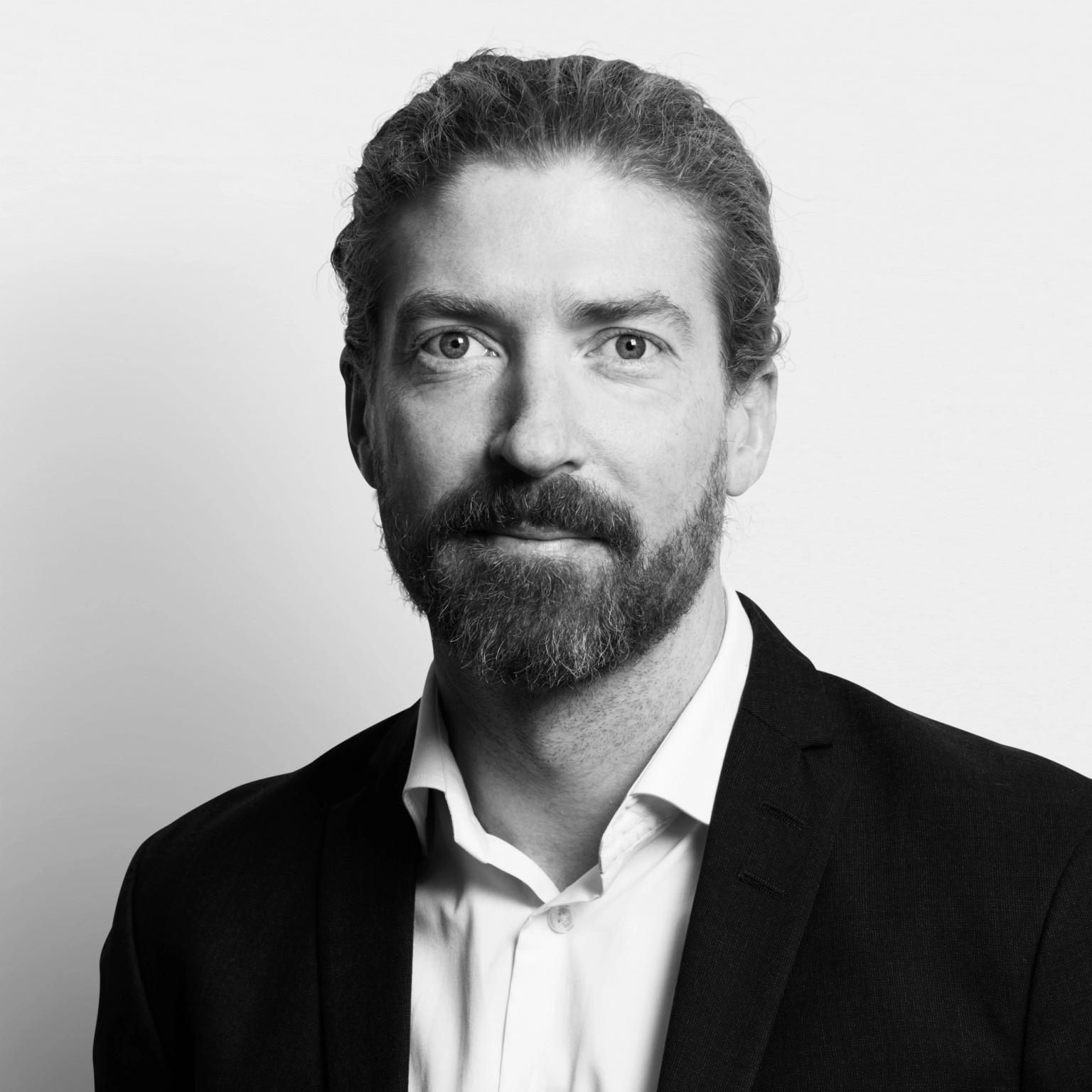

Phil specialises in strategy consulting with a focus on sustainability, especially climate mitigation and the circular economy. Phil’s experience spans sustainability strategy, ESG due diligence, GHG inventory calculation, sustainability reporting and SFDR/EU Taxonomy alignment assessment. He brings broad sector experience, working with investors and companies in manufacturing, retail and consumer products, technology, healthcare, energy as well as non-profit organizations.
Phil has co-authored perspectives on climate change reporting in private markets, as well as potential opportunities for companies inspired by the circular economy. He has direct experience with circular economy technologies, having been strategy & business development lead for a circular technology for end-of-life textiles, and now a board member for SemperCycle, a circular technology for end-of-life mixed plastic waste.
Phil’s consulting experience also spans strategy and transformation advisory, where he has worked with global companies in consumer products and manufacturing, as well as energy, healthcare and financial services. Before joining The Footprint Firm, Phil was associate partner at Bain & Company in the carbon transition and circular economy practice. Prior to Bain & Company, Phil was a Senior Associate for Pacific Strategy Partners for 3 years, before which he was a Senior Consultant at PwC for 6 years, both based in Australia.
Phil holds a Bachelor or Commerce from the University of Melbourne, majoring in Finance and Accounting. He was admitted to the Institute of Chartered Accountants in Australia in 2011. He completed the GRI Standards Certificate in 2019.